Gamification Techniques to Motivate and Engage Call Center Agents

The Impact of Remote Work on Call Center Productivity
March 26, 2024
How to Use Customer Feedback to Improve Call Center Performance
March 28, 2024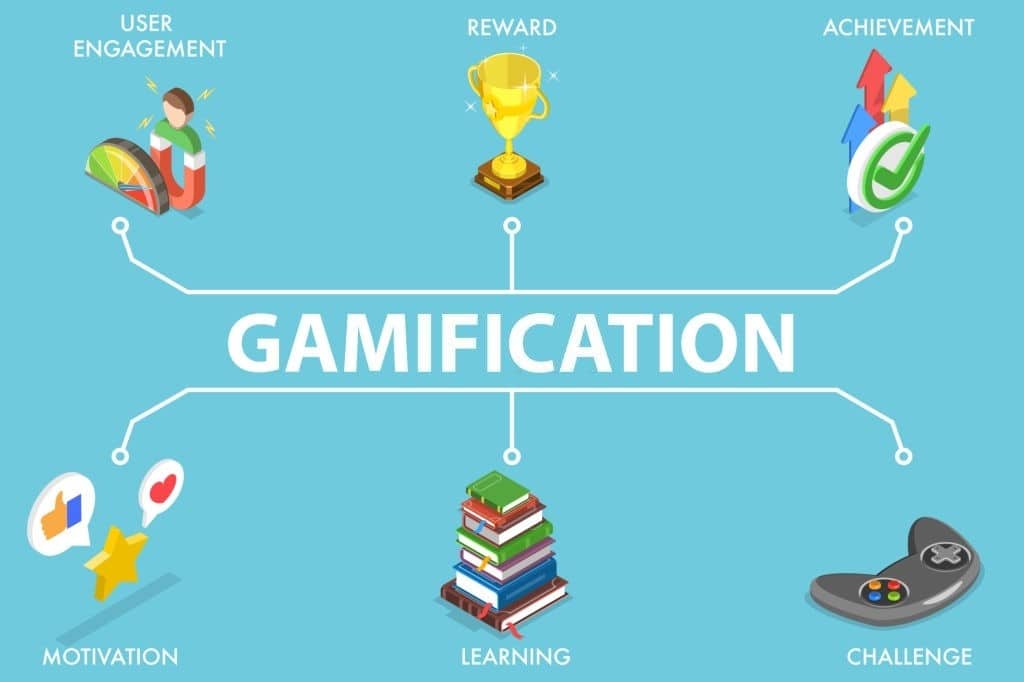
In the bustling world of call centers, keeping agents motivated and engaged can feel like an uphill battle. The addition of gamifying steps through gamification techniques can help. Traditional methods often fall flat, leaving a gap that cries out for innovation, where the addition of gamification techniques and steps towards gamifying can fill it. Enter gamification techniques, a game-changer in the realm of employee motivation in call center environments, acting as an agent of change. By transforming mundane tasks into exciting challenges through gamification techniques, these strategies breathe new life into the call center environment, enhancing agent engagement. Agents in call centers find themselves not just working but thriving, driven by a blend of competition and achievement. This post dives deep into how gamification can turn the tide, making every call an opportunity for agents to excel and grow.
Exploring the Concept of Call Center Gamification
Gamification Defined
Gamification transforms mundane tasks into engaging activities. It uses game design elements in non-game contexts. For call center agents, this means turning daily routines into interactive experiences.
These techniques boost motivation and productivity. They make work feel more like play. Agents in call centers find themselves more involved and interested in their tasks.
Psychological Impact
The success of gamification lies in its psychological appeal. It taps into the natural human desire for competition, achievement, and recognition.
Call center agents experience a sense of accomplishment from completing game-like challenges. This feeling is crucial for long-term engagement and job satisfaction for agents in a call center. Rewards and leaderboards in the call center further motivate agents by fostering a healthy competitive environment.
Real-World Applications
Many call centers have adopted gamification strategies with positive outcomes for agents. They’ve seen improvements in call center agent performance, customer satisfaction, and overall operational efficiency.
For instance, incorporating point systems for meeting service metrics in a call center can lead to significant enhancements for agents. Agents strive to earn points, badges, or other rewards, which translates to improved call handling and customer interactions.
The Impact of Gamification on Call Center Dynamics
Vibrant Environment
Gamification transforms call centers into dynamic workplaces. Agents become more engaged, fostering a team spirit. This shift leads to a cooperative atmosphere in the call center, where agents support one another.
The introduction of game elements like points and leaderboards in a call center injects fun into daily tasks for agents. This approach breaks the monotony in the call center, making work enjoyable for agents.
Productivity Boost
Studies show gamification can increase productivity by up to 40% in call center agents. This significant improvement in the call center is due to agents striving to achieve better scores and recognition among peers.
Moreover, employee satisfaction sees a noticeable uptick. A survey revealed that 72% of call center agents who partake in gamified training feel motivated versus 28% in non-gamified environments.
Enhanced Customer Experience
Customers benefit from gamification indirectly. Engaged call center agents are more attentive and solution-oriented, leading to faster resolution times and higher satisfaction rates.
Positive feedback loops created by gamification ensure that agents are continuously improving their performance. This dedication results in a superior customer experience, as happy agents tend to make customers happy.
Crafting Effective Gamification Strategies
Goal Alignment
Aligning gamification strategies with agent call center goals and KPIs is crucial. This ensures that the fun elements drive the right behaviors. For instance, if a key goal is to reduce call handling time, gamifying this aspect can motivate agents to become more efficient while maintaining quality.
Agents get immediate feedback on their performance. They see how close they are to achieving their targets or winning a challenge. This real-time insight fosters a competitive yet collaborative environment.
Game Mechanics
Integrating popular game mechanics into daily operations is next. Leaderboards, points, and badges work well in a call center context. These elements make mundane tasks more engaging.
For example, agents could earn badges for exceptional customer service or hitting daily targets. Leaderboards foster a healthy competition among team members, pushing everyone to do their best.
Continuous Adaptation
The need for continuous adaptation cannot be overstated. What works today might not work tomorrow. Collecting and analyzing feedback from agents helps in tweaking the system.
It’s vital to keep the gamification approach relevant and effective. Sometimes, introducing new challenges or rewards can reinvigorate the program. Regular updates ensure that agents remain engaged and motivated over time.
Starting with a Clear End Goal
Objective Setting
Before diving into gamification techniques, it’s crucial to outline clear, measurable objectives. This step ensures that every game or challenge introduced serves a purpose towards enhancing call center performance.
Setting these goals requires understanding both the individual and team dynamics within the call center. It involves identifying key areas of improvement and how they can be addressed through gamification. By doing so, managers can tailor their strategies to meet specific needs, making the process more effective.
Success Criteria
Once objectives are set, establishing success criteria is next. These criteria should align with both individual achievements and team milestones. They act as benchmarks for measuring progress and determining when rewards should be distributed.
Success criteria can vary from improving customer satisfaction scores to increasing sales or reducing call handling times. They provide a clear path for agents to follow, ensuring everyone understands what success looks like in the context of gamification.
Timelines and Milestones
Lastly, setting realistic timeframes and milestones is essential for keeping everyone motivated. These timelines give agents a sense of urgency and accomplishment as they work towards their goals.
Milestones serve as checkpoints along the journey, offering opportunities for celebration and reflection. They help maintain momentum and ensure that the gamification efforts are moving in the right direction.
Understanding the Subjectivity of Fun
Diverse Tactics
The essence of gamification lies in its ability to make work feel like play. However, it’s crucial to remember that fun is subjective. What excites one call center agent might bore another. This calls for a broad spectrum of gamification strategies.
Implementing universally appealing games at the start is wise. These might include simple point systems for punctuality or resolving calls efficiently. Over time, introducing more specialized challenges can cater to varied interests. This approach ensures initial engagement and paves the way for discovering what truly motivates your team.
Managerial Insight
Line managers play a pivotal role in tailoring gamification efforts. They are on the front lines, observing their team’s reactions and gathering feedback on various games and challenges.
Managers should start with broad-based games and gradually incorporate feedback to introduce more targeted challenges. This iterative process helps identify what types of games resonate most, ensuring that gamification strategies remain effective and engaging over time.
Techniques for Motivating Agents
Reward Systems
Reward systems are a powerful tool to boost motivation among call center agents. By linking these systems directly to gamification achievements, agents feel a tangible sense of progress and accomplishment. They know that hitting specific targets or completing certain challenges will earn them rewards. This approach not only motivates but also adds an element of fun to their routine tasks.
Real-time feedback plays a crucial role here. It keeps agents informed about their performance and how close they are to achieving their next reward. This immediate insight helps sustain motivation over time.
Public Recognition
Beyond tangible rewards, public recognition serves as a significant motivational force. Recognizing agents’ achievements in front of their peers fosters a sense of pride and accomplishment. Social rewards, like shoutouts during team meetings or features in company newsletters, can be just as motivating as physical incentives.
These social accolades create a supportive environment where agents feel valued and appreciated for their hard work. They also encourage healthy competition among team members, pushing everyone to perform at their best.
Real-Time Feedback
Incorporating real-time feedback mechanisms is essential for keeping agents engaged and motivated. These systems allow agents to track their progress towards goals and understand areas needing improvement. Such transparency ensures that agents always know where they stand, making it easier for them to stay focused and driven.
Keeping Gamification Efforts Light-hearted
Positive Environment
Gamification should boost morale, not stress. It’s vital to create a positive environment where call center agents feel motivated. This involves designing games that are inclusive and offer equal opportunities for everyone to succeed.
Teams thrive when the competition is friendly. Over-competitiveness can harm relationships and lower team spirit. Managers must monitor the atmosphere closely and intervene if necessary.
Regular Check-ins
Feedback is crucial in gamification. Regular check-ins help assess whether the activities remain fun or if they’ve become a source of pressure. These sessions allow teams to voice their opinions and suggest improvements.
Adjustments may be needed to keep the balance between fun and productivity. Listening to agent feedback ensures that gamification strategies evolve in a way that benefits everyone.
Balanced Approach
A balanced approach prevents burnout and keeps engagement high. Rewards should not only recognize high performance but also celebrate effort, improvement, and teamwork. This encourages a healthy competitive spirit without fostering negativity among team members.
Tracking and Rewarding Progress Effectively
Leaderboards Display
Leaderboards offer a dynamic way to visualize achievements. They foster healthy competition among call center agents by showcasing individual and team performances. This method taps into the innate human desire for recognition, pushing agents to improve their metrics.
Agents see where they stand in real-time. It motivates them to climb higher on the leaderboard. This transparency also promotes a sense of fairness in the evaluation process.
Progress Bars
Progress bars serve as personal trackers for each agent. They break down targets into manageable chunks, making goals seem more attainable. Seeing their progress visually helps agents gauge how close they are to hitting their next milestone.
This tool keeps motivation high by celebrating every step forward. It turns long-term objectives into a series of short-term accomplishments.
Rewards System
Timely and appropriate rewards are crucial for sustaining engagement. Recognizing both small wins and significant achievements ensures that agents feel valued at every stage of their journey.
Rewards can vary from verbal praise to tangible benefits like bonuses or extra time off. The key is ensuring these incentives align with what motivates each agent individually.
Milestones Celebration
Setting up milestones encourages continuous effort from agents. Celebrating these moments highlights the importance of each achievement, no matter its size.
It’s essential to make these celebrations visible and inclusive, reinforcing the team spirit and shared goals within the call center environment.
Final Remarks
Gamification in call centers isn’t just a trend; it’s a proven strategy to boost engagement and motivation among agents. By integrating fun, competition, and rewards into the daily grind, you’re not only enhancing productivity but also building a more vibrant workplace culture. Your journey through understanding gamification’s impact, crafting effective strategies, and recognizing the subjectivity of fun has equipped you with the tools to make work feel less like work and more like play. Remember, the key is to keep it light-hearted, track progress effectively, and ensure that rewards are meaningful.
Now’s the time to put these insights into action. Start small, experiment with different techniques, and observe what resonates most with your team. Gamification is about continuous improvement and adaptation. So, dive in, play around with the concepts, and watch as your call center transforms into a hub of motivated, engaged agents. Ready to gameify your call center? Let the games begin!