Neuromorphic Computing in B2B Sales Analytics: Transforming Insights

Strategies for Building Sustainable B2B Partnerships: Mastering Success
August 14, 2024
Zero-Knowledge Proofs in B2B Data Sharing: Revolutionizing Privacy
August 16, 2024
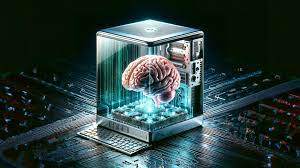
Did you know that companies using neuromorphic computing in B2B sales analytics can boost their revenue by up to 30%, leading to significant business implications, competitive advantages, network optimization, and manufacturing advancements? This cutting-edge neuromorphic supercomputer technology mimics the human brain’s neural networks, enabling smarter data processing and enhancing cybersecurity measures. It helps businesses analyze vast amounts of sales data quickly and accurately, leveraging advancements in the global neuromorphic computing market and neuromorphic computing technology adoption, including the use of neuromorphic processing chips in neuromorphic work.
Key Takeaways
-
Neuromorphic computing mimics the human brain, offering a new way to process data that can greatly enhance B2B sales analytics.
-
Implementing neuromorphic systems can lead to faster data processing, allowing businesses to analyze sales trends in real-time and make quicker decisions.
-
Businesses should consider investing in predictive analytics tools powered by neuromorphic computing to improve forecasting accuracy and customer targeting.
-
Decision-making in sales can be significantly improved through the insights gained from neuromorphic systems, leading to more effective strategies and higher sales performance.
-
Stay informed about the current market potential and future trends of neuromorphic computing to ensure your business remains competitive in a rapidly evolving landscape.
-
Be prepared to face challenges when implementing these advanced systems, such as data processing neuromorphic computing, integration with existing technologies, and the need for specialized skills in the neuromorphic computing market.
What is Neuromorphic Computing
Definition
Neuromorphic computing is a technology inspired by the human brain’s structure and function. It aims to mimic the way neurons communicate and process information in the neuromorphic computing market. This approach differs from traditional computing. Traditional systems rely on binary logic. Neuromorphic systems use neural networks to enhance computation.
Neuromorphic processors are designed to operate like biological brains. They can process data in parallel and learn from it in the neuromorphic computing market. This capability allows for more efficient handling of complex tasks in the neuromorphic computing market. Neuromorphic computing focuses on energy efficiency and speed. These systems in the neuromorphic computing market can perform calculations faster while using less power.
Goals
The primary goal of neuromorphic computing is to replicate neural processes. It seeks to improve computational efficiency and intelligence in machines within the neuromorphic computing market. By modeling the brain’s processes, these systems in the neuromorphic computing market can adapt and learn over time. This adaptability opens new possibilities in various fields.
Neuromorphic computing technology transforms how machines handle data. Unlike conventional methods, it allows for real-time learning and decision-making in the neuromorphic computing market. For example, systems in the neuromorphic computing market can recognize patterns without needing extensive programming. They can also adjust their responses based on new information in the neuromorphic computing market.
Industry Impact
Neuromorphic computing has the potential to revolutionize multiple industries. Its ability to mimic brain-like adaptability makes it suitable for diverse applications in the neuromorphic computing market. In healthcare, it can improve diagnostics through advanced image processing techniques in the neuromorphic computing market. In finance, it can analyze market trends more effectively.
The manufacturing industry can benefit from neuromorphic hardware as well. Smart sensors can monitor equipment performance and predict failures. This capability in the neuromorphic computing market will lead to reduced downtime and increased productivity.
Applications
Various software applications utilize neuromorphic computing principles today. These include robotics, natural language processing, and computer vision. Neuromorphic image processing enhances machine perception of visual data. Machines equipped with this technology in the neuromorphic computing market can interpret images similarly to humans.
Moreover, neuromorphic computing services are emerging in the tech industry. Companies are exploring ways to integrate this technology into existing systems in the neuromorphic computing market. They aim to leverage its advantages in the neuromorphic computing market for better analytics and insights.
Advantages
-
Energy Efficiency: Neuromorphic systems consume less power than traditional computers.
-
Real-Time Learning in the neuromorphic computing market: These systems adapt quickly based on new data.
-
Speed: They perform complex calculations rapidly.
Key Principles of Neuromorphic Systems
Neural Emulation
Neuromorphic systems mimic the neural structure of the human brain. They use artificial neurons and synapses to process information. Each neuron acts like a biological counterpart, receiving signals and generating responses. This design allows for complex computations similar to how humans think.
Artificial synapses connect these neurons. They adjust their strength based on experience, much like human learning. This adaptation is crucial for effective data processing. By using this structure, neuromorphic systems can handle intricate tasks efficiently.
Parallel Processing
These systems excel at parallel processing capabilities. Unlike traditional computing, which often operates sequentially, neuromorphic systems work on multiple tasks simultaneously. This feature significantly enhances speed and efficiency in data analysis.
In B2B sales analytics, speed matters. Businesses can analyze vast amounts of data quickly. Neuromorphic systems enable real-time insights into customer behavior and market trends. As a result, companies can make informed decisions faster than ever before.
Dynamic Information Processing
Dynamic information processing is another key principle of neuromorphic systems. These systems adapt to changing data inputs in real-time. They do not rely on fixed algorithms but instead evolve as new information becomes available.
For example, if a customer’s buying pattern shifts, the system quickly recognizes this change. It adjusts its analysis accordingly, providing relevant insights for sales teams. This adaptability mirrors how biological systems respond to their environments.
Learning and Adaptation
The ability to learn and adapt over time is essential for neuromorphic systems. They employ techniques similar to those used in machine learning. As these systems encounter new data, they refine their processes and improve accuracy.
This continuous learning process benefits B2B sales analytics significantly. Companies gain deeper insights into customer preferences and behaviors. Over time, the system becomes more effective at predicting trends and suggesting strategies.
Real-World Applications
Several industries have begun implementing neuromorphic computing in their analytics. For instance, retail businesses use these systems to optimize inventory management. By analyzing purchasing patterns, they can predict demand more accurately.
Healthcare also benefits from this technology. Neuromorphic systems analyze patient data to enhance treatment plans rapidly. These applications demonstrate the versatility of neuromorphic computing across various sectors.
Benefits of Neuromorphic Computing in B2B Sales
Enhanced Analysis
Neuromorphic computing significantly boosts data analysis capabilities. Traditional systems struggle with vast amounts of sales data. Neuromorphic systems mimic human brain functions, allowing them to process information faster and more efficiently. This leads to more accurate sales forecasts. Businesses can identify trends that may have gone unnoticed. For instance, a company may spot seasonal buying patterns earlier, allowing it to adjust inventory proactively.
Sales analytics benefits from this enhanced processing power. Companies analyze customer behavior and preferences in real-time. The result is better decision-making based on solid data insights. Sales teams can make informed choices quickly, maximizing opportunities.
Improved Targeting
Customer segmentation becomes more precise with neuromorphic computing. Advanced pattern recognition helps companies understand their customers deeply. They can group clients based on buying habits, interests, or demographics. This allows for tailored marketing efforts that resonate with specific audiences.
Businesses can create targeted campaigns that speak directly to the needs of each segment. For example, a software firm may use neuromorphic systems to identify tech-savvy clients interested in new features. This targeted approach enhances engagement and increases conversion rates.
Real-Time Decisions
Real-time decision-making is another key benefit of neuromorphic computing. It processes dynamic data inputs instantly. Sales teams can respond to market changes immediately. They don’t have to wait for reports or analyses to be completed.
Personalized sales strategies emerge from this capability. Sales representatives can adjust their pitches based on current customer interactions. For example, if a client shows interest in a specific product feature during a call, the representative can highlight that feature right away.
This adaptability creates a competitive edge in B2B sales environments. Companies gain insights into customer needs as they evolve, allowing them to stay ahead of the competition.
Energy Efficiency
Neuromorphic computing also offers energy efficiency advantages. Traditional computing systems consume large amounts of energy for data processing tasks. In contrast, neuromorphic systems use less power while still delivering high performance.
Lower energy consumption translates to cost savings for businesses over time. Companies can invest these savings back into sales initiatives or other areas of development.
Enhancing Data Processing in Sales Analytics
Increased Efficiency
Neuromorphic computing significantly enhances data processing capabilities. It manages large volumes of unstructured sales data efficiently. Traditional systems struggle with this type of data. Neuromorphic systems mimic the human brain, allowing for better handling of complex patterns. This results in quicker insights into customer behavior.
Sales teams can analyze vast datasets in real-time. They gain valuable insights without delays. This efficiency helps businesses stay competitive. Companies can respond faster to market changes and customer needs.
Faster Processing
Speed is crucial in today’s market. Neuromorphic computing facilitates faster data processing and analysis compared to traditional methods. It reduces the time taken to derive insights from data. This speed allows sales teams to make informed decisions quickly.
For example, a retail company can analyze customer purchasing patterns within seconds. Traditional systems might take hours or days to provide similar insights. Faster processing leads to timely actions, improving overall sales performance.
Complex Integration
Sales analytics often involves data from various sources. Neuromorphic computing supports complex data integration seamlessly. It combines information from multiple platforms, providing a comprehensive view of sales performance.
Businesses can integrate customer data from CRM systems, social media, and online transactions. This holistic approach enables deeper analysis. Sales teams can identify trends and opportunities across different channels.
The ability to process diverse data types enhances decision-making. Companies can tailor their strategies based on complete insights rather than fragmented data.
Data Security and Privacy
With increased data processing comes the need for robust data security measures. Neuromorphic systems focus on protecting sensitive customer information. They employ advanced techniques for data protection and privacy.
Fraud detection becomes more effective through these systems as well. By analyzing patterns and anomalies in real-time, companies can identify suspicious activities quickly. This proactive approach minimizes risks associated with fraud.
Privacy concerns are also addressed through neuromorphic computing’s architecture. The technology allows for secure processing of personal data while complying with regulations.
Predictive Analytics with Neuromorphic Systems
Advanced Algorithms
Neuromorphic systems utilize advanced algorithms to analyze vast amounts of data. These systems mimic the human brain’s structure and function. They use artificial neurons to process information similarly to biological neurons. This approach allows for more efficient data handling.
Predictive analytics becomes more powerful with these neuromorphic research systems. They can identify patterns in sales trends and customer behaviors. Businesses can leverage this technology to improve their forecasting accuracy.
Superior Accuracy
The ability of neuromorphic computing to offer superior accuracy is a game-changer in B2B sales analytics. Traditional methods often struggle with complex data sets. Neuromorphic systems excel in this area by providing insights that are both precise and reliable.
These systems can forecast market demands effectively. They analyze factors like seasonality, economic conditions, and consumer preferences. By doing so, they help businesses anticipate changes in the market landscape.
Actionable Insights
Actionable insights derived from neuromorphic systems are vital for proactive business strategies. Companies can make informed decisions based on accurate predictions. For example, predictive maintenance can be implemented using these insights. Businesses can avoid costly downtime by addressing issues before they escalate.
Identifying potential risks also becomes easier with predictive analytics. Companies can spot warning signs early and adapt their strategies accordingly. This proactive approach gives them a competitive advantage over rivals who may rely on outdated methods.
Revolutionizing Diagnostics
Neuromorphic computing is revolutionizing diagnostics in sales analytics. It allows companies to analyze large volumes of data quickly and efficiently. The speed at which these systems operate helps businesses stay ahead of the competition.
By utilizing neural networks, organizations can enhance their decision-making processes. They gain a clearer understanding of customer needs and preferences. This insight helps tailor marketing efforts and product offerings.
Intelligence Systems
The integration of neuromorphic technology into intelligence systems improves overall performance. Businesses benefit from real-time analytics that drive better outcomes. These systems continuously learn and adapt, much like the human brain.
As these technologies evolve, they will change how companies approach sales analytics. Organizations that adopt neuromorphic computing will likely outperform those that do not.
Decision-Making Improvements in Sales
Rapid Decision-Making
Neuromorphic computing enables rapid decision-making in sales analytics. This technology processes vast amounts of data quickly. It allows businesses to analyze customer behavior and market trends effectively. Companies can make informed decisions faster than ever before.
Dynamic data analysis provides insights that were previously hard to obtain. Businesses can now identify patterns in real-time. This leads to better understanding of customer needs. As a result, companies gain a competitive advantage over their rivals.
Reduced Human Error
Manual data interpretation often leads to mistakes. Neuromorphic systems reduce reliance on human input. This minimizes the chances of errors in data analysis. Accurate data is crucial for making sound decisions.
With less human intervention, businesses can trust the findings from neuromorphic systems. These systems learn from previous data and improve over time. They adapt to changing circumstances without constant oversight. This innovation helps enhance overall effectiveness in sales strategies.
Adaptive Strategies
The market is constantly evolving. Customer preferences shift frequently, and companies must keep up. Neuromorphic computing supports adaptive strategies that respond to these changes. Businesses can adjust their tactics based on real-time feedback.
For instance, a retail company can modify its inventory based on current demand trends identified by neuromorphic systems. This responsiveness improves customer satisfaction and enhances shopping experiences. Customers feel valued when businesses cater to their needs promptly.
Business Implications
The implications of these advancements are significant for B2B sales analytics. Companies that adopt neuromorphic computing will likely see improved performance metrics. They can achieve higher efficiency in operations and better allocation of resources.
Strategic planning becomes more effective with accurate insights from data analysis. Organizations can forecast future trends and prepare accordingly. This proactive approach positions them favorably in competitive markets.
Opportunities for Innovation
Neuromorphic computing opens doors for new opportunities in business management. Companies can explore innovative approaches to sales processes using this technology. For example, they might integrate AI-driven tools for personalized marketing campaigns.
Retail innovations driven by neuromorphic systems lead to enhanced customer experiences. Businesses can leverage insights to tailor their offerings uniquely to each client’s preferences.
Market Dynamics
Understanding market dynamics is essential for success in sales analytics. Neuromorphic computing provides valuable insights into consumer behavior and preferences. Companies can track shifts in the market effectively.
This knowledge allows businesses to anticipate changes and act proactively. By staying ahead of trends, they secure a competitive advantage against competitors who may be slower to adapt.
Current Market Potential for Neuromorphic Computing
Market Growth
The neuromorphic computing market has shown significant growth in recent years. Investment in this technology is rising across various industries. Companies recognize the potential for neuromorphic systems to enhance data processing and analytics.
Research indicates that the global neuromorphic computing market could reach $3 billion by 2025. This growth reflects a shift towards more efficient computing methods. Businesses are eager to adopt solutions that can analyze data faster and with greater accuracy.
Emerging Applications
Emerging applications of neuromorphic computing span several sectors. In healthcare, these systems can process vast amounts of patient data. They help in identifying patterns in diseases and improving diagnostics.
In finance, neuromorphic technology aids in fraud detection. It analyzes transactions in real-time and flags unusual activities. This capability enhances security and builds trust among customers.
Telecommunications also benefits from neuromorphic computing. It improves network management by predicting traffic patterns. This leads to better resource allocation and reduced downtime.
Demand for Advanced Analytics
The demand for advanced analytics in the business landscape continues to grow. Companies seek AI-driven solutions to gain insights from their data. Neuromorphic computing offers unique advantages here.
These systems mimic the human brain’s neural structure. They can learn from data patterns over time, making them highly effective for predictive analytics. Businesses use these insights to make informed decisions quickly.
The integration of neuromorphic technology into B2B sales analytics is particularly promising. Sales teams can leverage real-time data analysis to refine their strategies. This results in better targeting and improved customer engagement.
Competitive Edge
Organizations that invest in neuromorphic systems gain a competitive edge. They can respond faster to market changes and customer needs. The ability to analyze complex datasets efficiently leads to smarter decision-making.
As more businesses adopt this technology, the landscape will evolve rapidly. Companies must stay ahead of trends to remain relevant. Understanding the current state of the neuromorphic computing market is crucial for strategic planning.
Future Opportunities
Future opportunities in the neuromorphic computing market are vast. Industries are exploring how this technology can transform operations. From automating processes to enhancing customer experiences, the possibilities are endless.
Investors are keen on funding innovative startups focused on neuromorphic solutions. These investments drive research and development, further expanding the market’s potential.
Challenges in Implementing Neuromorphic Solutions
Technical Hurdles
Implementing neuromorphic computing presents several technical challenges. These systems require specialized hardware and software. Current technology often lacks the necessary frameworks to support neuromorphic architectures. Developers need a deep understanding of both neuroscience and computer science. This expertise is not widely available, creating a gap in knowledge.
Neuromorphic chips are different from traditional processors. They mimic neural networks found in the human brain. This difference leads to complexities in programming and optimization. Many developers are accustomed to conventional computing models. Transitioning to neuromorphic systems requires retraining and new skill sets.
Integration Issues
Integrating these solutions with existing IT infrastructure poses another challenge. Many organizations run on legacy systems that are not designed for neuromorphic computing. This can lead to compatibility issues. Organizations may need to invest heavily in upgrading their infrastructure.
Data flow also becomes a concern during integration. Neuromorphic systems operate differently than standard databases. They process information in parallel rather than sequentially. Adapting current data management practices can be complex and time-consuming.
Cost Concerns
The cost of implementing neuromorphic computing is significant. Initial investments include specialized hardware, training, and system upgrades. Many businesses face budget constraints that limit their ability to adopt new technologies.
Scalability is another issue tied to costs. As organizations grow, they often need more computing power. Neuromorphic solutions might not easily scale due to their unique architecture. This could lead to increased expenses over time, making them less attractive for some businesses.
Ethical Considerations
Ethical considerations also arise with neuromorphic computing in B2B sales analytics. These systems can analyze vast amounts of personal data. Companies must ensure they comply with privacy regulations such as GDPR or CCPA. Misuse of data can lead to legal repercussions and damage reputations.
Businesses must consider the implications of automated decision-making as well. Relying too heavily on algorithms can introduce biases into sales strategies. Organizations should implement oversight mechanisms to mitigate these risks.
Current Maturity of Technology
The maturity of neuromorphic technology remains a concern for many decision-makers. While the potential is clear, practical applications are still developing. Few companies have successfully integrated these systems into their operations.
Research continues to advance the field, but widespread adoption is slow. Companies must weigh the benefits against the risks associated with early adoption.
Future Trends in Neuromorphic Computing
Advancements in Hardware
Neuromorphic computing technologies are evolving rapidly. New neuromorphic computing chip designs will increase processing speed and efficiency. These chips mimic the human brain’s architecture. This allows for more effective data processing. Companies are investing in neuromorphic devices that can handle complex tasks. The advancements in hardware will lead to smaller, more powerful systems.
Research shows that neuromorphic computing development shows promise in various fields. For example, healthcare can benefit from faster data analysis. This will improve patient outcomes and streamline operations. As hardware continues to evolve, businesses will see a transformation in their analytical capabilities.
Broader Adoption
The adoption of neuromorphic computing technology is expected to grow significantly. More businesses recognize the advantages these systems offer. They provide faster insights and better decision-making processes. Companies are beginning to integrate neuromorphic solutions into their daily operations.
Industries such as finance and marketing will particularly benefit. Neuromorphic computing applications can analyze large datasets quickly. This leads to improved sales strategies and customer targeting. The potential for enhanced operational efficiency drives this trend.
Breakthroughs in AI and Machine Learning
Neuromorphic computing innovations will likely lead to breakthroughs in artificial intelligence (AI). These systems can process information similarly to the human brain. This opens new avenues for machine learning applications. Businesses can harness these advancements to create smarter algorithms.
For instance, neuromorphic computer systems may improve predictive analytics in B2B sales. They can analyze patterns and trends, helping companies anticipate market changes. Such capabilities enhance strategic planning and resource allocation.
Moreover, the sustainability of neuromorphic computing is a key factor. Many organizations seek eco-friendly solutions. Neuromorphic technology often consumes less energy compared to traditional systems. This aligns with global efforts toward sustainability.
Strategic Planning for the Future
Businesses must consider neuromorphic future strategic planning now. Understanding how these technologies will shape their industry is crucial. Early adopters will have a competitive advantage in the marketplace.
Companies should develop clear strategies for integrating neuromorphic computing solutions. This includes training staff on new technologies and processes. Investing in research and development will also be essential.
Final Remarks
Neuromorphic computing is reshaping B2B sales analytics. It enhances data processing, predictive analytics, and decision-making. Your business can leverage these systems for smarter strategies and improved outcomes. The potential is immense, but challenges exist. Understanding these obstacles is key to successful implementation.
As you explore neuromorphic solutions, stay ahead of the curve. Embrace the future of sales analytics to gain a competitive edge. Dive into this innovative technology and see how it can transform your operations. Don’t wait—start your journey today and unlock new possibilities for your business growth.
Frequently Asked Questions
What is neuromorphic computing?
Neuromorphic computing mimics the human brain’s neural structure to process information. It uses specialized hardware to enhance computational efficiency, enabling faster and more effective data analysis.
How does neuromorphic computing benefit B2B sales analytics?
It improves data processing speed and accuracy, allowing businesses to gain deeper insights from their sales data. This leads to better decision-making and enhanced strategies for customer engagement.
Can neuromorphic systems improve predictive analytics?
Yes, they can enhance predictive analytics by processing vast amounts of data in real-time. This results in more accurate forecasts and timely insights for sales teams.
What are the key principles of neuromorphic systems?
Key principles include parallel processing, event-driven computation, and energy efficiency. These principles enable faster decision-making and lower power consumption compared to traditional computing methods.
What challenges exist in implementing neuromorphic solutions?
Challenges include high development costs, a lack of standardized frameworks, and limited expertise in neuromorphic technologies. Overcoming these hurdles is essential for successful implementation.
What future trends are expected in neuromorphic computing?
Future trends include increased integration with AI, advancements in hardware design, and broader adoption across various industries. These developments will likely enhance capabilities in B2B sales analytics significantly.
How can businesses start using neuromorphic computing in sales analytics?
Businesses should begin by exploring partnerships with tech firms specializing in neuromorphic solutions. Investing in training and pilot projects can help integrate this technology into existing analytics frameworks.