

Medical device appointment setting
Medical device B2B lead generation that reaches the people who evaluate and buy
Selling medical devices means a purchase that has to satisfy the clinicians who use the product, the committees that evaluate it and the purchasing teams that sign for it. Our callers open those conversations for device manufacturers and suppliers, find out whether there is a genuine project, and book meetings your representatives can prepare for.
- Clinical and business buyers Outreach planned around every role that evaluates a new device.
- Respectful of clinical time Short, prepared calls that fit around patient and department schedules.
- Research and meetings Survey calls can open doors and find facilities ready to talk.


Who we reach
The clinical, administrative and purchasing people behind device decisions
A device sale rarely rests with one person. The staff who use the product have to be willing to work with it, a committee or administrator usually has to approve it, and someone in purchasing or finance has to agree to the terms. Reaching only one of those groups tends to produce a friendly call that goes nowhere, so we plan medical device B2B lead generation campaigns around the whole group from the start.
- Department heads and clinical managers in surgery, imaging, laboratory and nursing.
- Biomedical and clinical engineering teams who assess equipment already in service.
- Materials management, supply chain and purchasing staff, including value analysis committees.
- Practice managers and administrators at physician groups, surgical centers and clinics.
- Distributors and dealer networks that carry competing product lines.
We agree with you which role gets the first call for each product and account type. A capital equipment sale often starts with the department that will use it. A consumables line may start with materials management. A service or maintenance offer usually belongs with the person who answers for downtime. Choosing well saves weeks of calls to the wrong desk.
Segments we know
Different devices need different conversations
Capital equipment
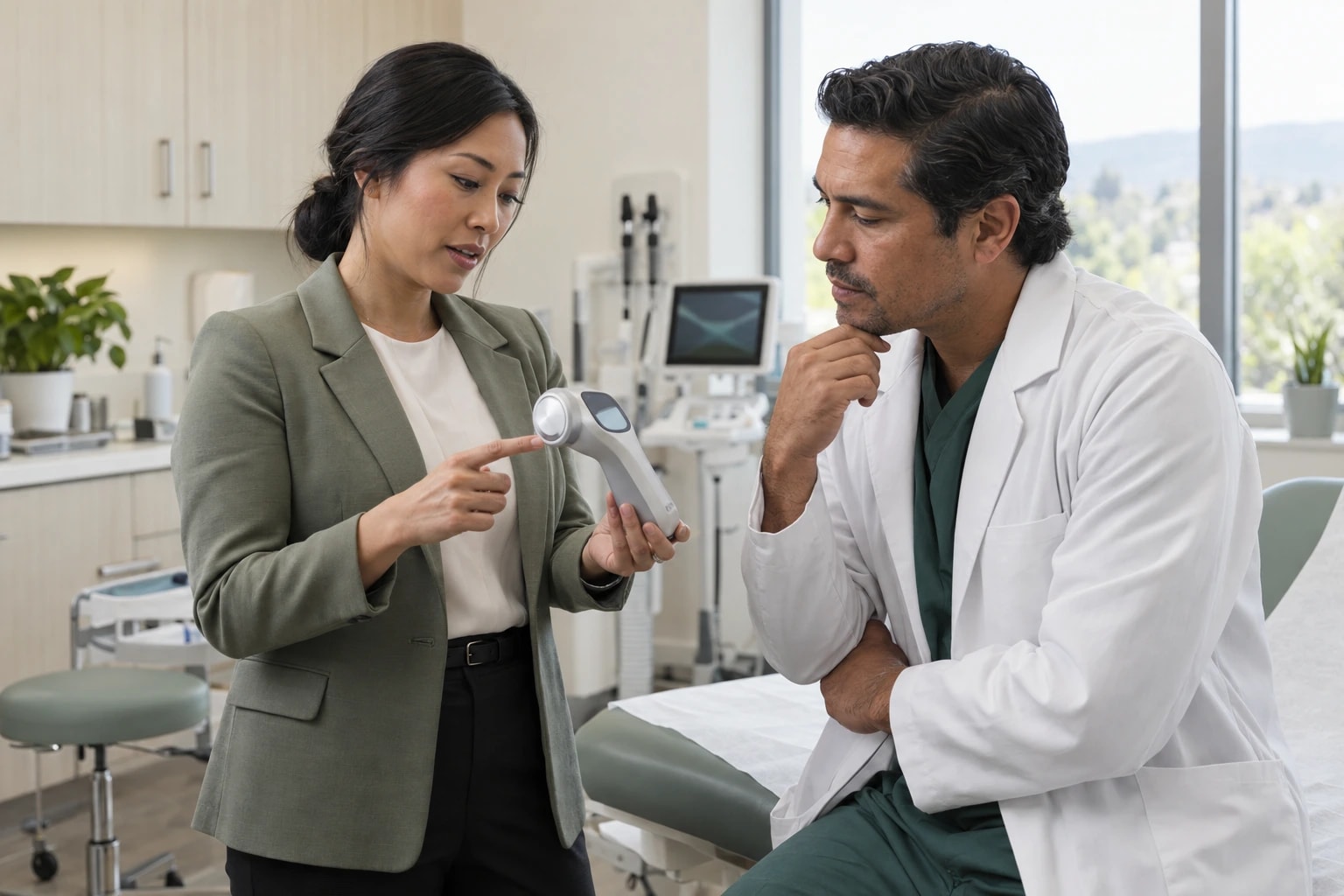
Longer evaluations with more people involved. We find the accounts with a real project, note who sits on the evaluation, and book the first meeting when the timing is right.
Consumables and supplies
These sales turn on timing and contracts. We learn who manages purchasing, what is bought today, and when current agreements come up for review.
Device software and connected tools
Software touches clinical and IT buyers at once. We hold a business conversation with both, without drifting into technical detail your specialists should cover.
Service and maintenance programs
Service offers sell on reliability and response. We reach the people who live with downtime and book conversations with your service team.
This work sits inside our wider healthcare appointment setting practice, which has included market research calls for one of the world’s largest medical device manufacturers. That survey-led campaign reached busy hospital and surgical center staff, educated prospects about the equipment, and surfaced service issues the client needed to hear about — the medical equipment case study tells the story in full.
How it works
How a medical device lead generation campaign runs
- 01
Learn the product and its users
We study what the device does, which departments rely on it, how facilities in your market evaluate products like it, and what a qualified meeting means for your team.
- 02
Define facilities and roles
We segment target facilities by type, size and region, identify the roles to approach at each one, and clean the contact data before calling starts.
- 03
Prepare short, useful calls
Call guides are written around the prospect’s day: a clear reason for calling, a few focused questions, and an easy way to agree on a time to meet.
- 04
Call, qualify and schedule
Callers reach staff, work with gatekeepers politely, qualify interest against your criteria, and book meetings onto your representatives’ calendars with notes.
- 05
Report what the market says
You receive regular updates on interest, objections and the feedback facilities share about current products and suppliers, not just a list of dials.
Some clients need to understand the market before they sell into it. Our surveys and market research calls gather feedback from the same hard-to-reach staff, and can hand the most interested facilities straight to appointment setting.
Respectful outreach
Calling busy clinical staff without burning the relationship
Nothing damages a device brand faster than a pushy call to a hospital ward. The people we call are busy, protected by gatekeepers, and quick to remember a company that wasted their time. Our callers are based in North America and speak English as a first language, so they represent your product the way your own staff would — briefly, politely and with a clear reason for the call.
- We ask front-desk and department staff for the best time and route, rather than pushing past them.
- We keep calls short and specific, and we accept a no gracefully.
- We follow do-not-call lists and respect opt-out requests immediately.
- We never ask for or record patient information.
- We note each facility’s purchasing process so your representative knows what comes next.
Rules that apply to promoting medical products vary by product, audience and region. We build campaigns around business-to-business outreach and standard calling practice, and we ask every client to confirm its own regulatory requirements with its compliance team before calling begins. If you are deciding whether to hand this work to a partner at all, our guide to choosing an appointment setting company walks through the questions worth asking.

The handoff
What your representatives receive with each booked meeting
A device representative usually gets one chance to make a good impression on a department or purchasing team. The notes that arrive with each meeting are written to make that first hour count.
- Facility name, type and location, plus the contact’s role and department.
- The equipment or supplies the facility uses today, and any gaps or frustrations mentioned.
- Who else takes part in evaluation, such as a value analysis committee or biomedical engineering.
- Timing signals: budget cycles, contract renewals, expansions or new service lines.
- The agreed meeting format and time, and anything the contact asked your representative to bring.
Facilities that fit but are not ready are logged with the reason and a realistic time to reconnect. Over a campaign those notes become a map of your market: which facilities are open to change, which suppliers are entrenched, and what it would take to win the next evaluation.
Do you contact patients or collect patient information?
No. Medical device campaigns are strictly business to business. We contact organizations and the staff responsible for evaluating or buying products and services for them, and we never ask for or record patient information.
Which roles do you usually reach in device campaigns?
It depends on the product. Common contacts include department heads and clinical managers, biomedical and clinical engineering, materials management and purchasing staff, value analysis committees, and practice administrators. We agree the target roles with you before calling starts.
Can you run market research and appointment setting together?
Yes. The same call can gather survey feedback and identify a facility that is ready to meet a representative, as long as the survey stays short. Our medical equipment case study describes a campaign that did exactly this for a major device manufacturer.
How do you handle value analysis committees and long evaluations?
We map each account’s process as we learn it: who takes part, what they ask for, and when the next realistic window is. Accounts that are interested but not ready are logged with a reason and a time to reconnect rather than dropped.
Can you book meetings for territory representatives?
Yes. We target facilities by region and book meetings onto each representative’s calendar, with notes about the facility, the contact, and what they agreed to discuss.
What do you need from us to start?
A product briefing, your ideal facility and contact profile, the competitors you meet most often, common objections, and your definition of a qualified meeting. If you have an existing list or CRM data, we review it first and recommend cleanup where it helps.
Keep exploring
Related services and results
See how the pieces fit together, or talk to us about the campaign you have in mind.
Medical Equipment
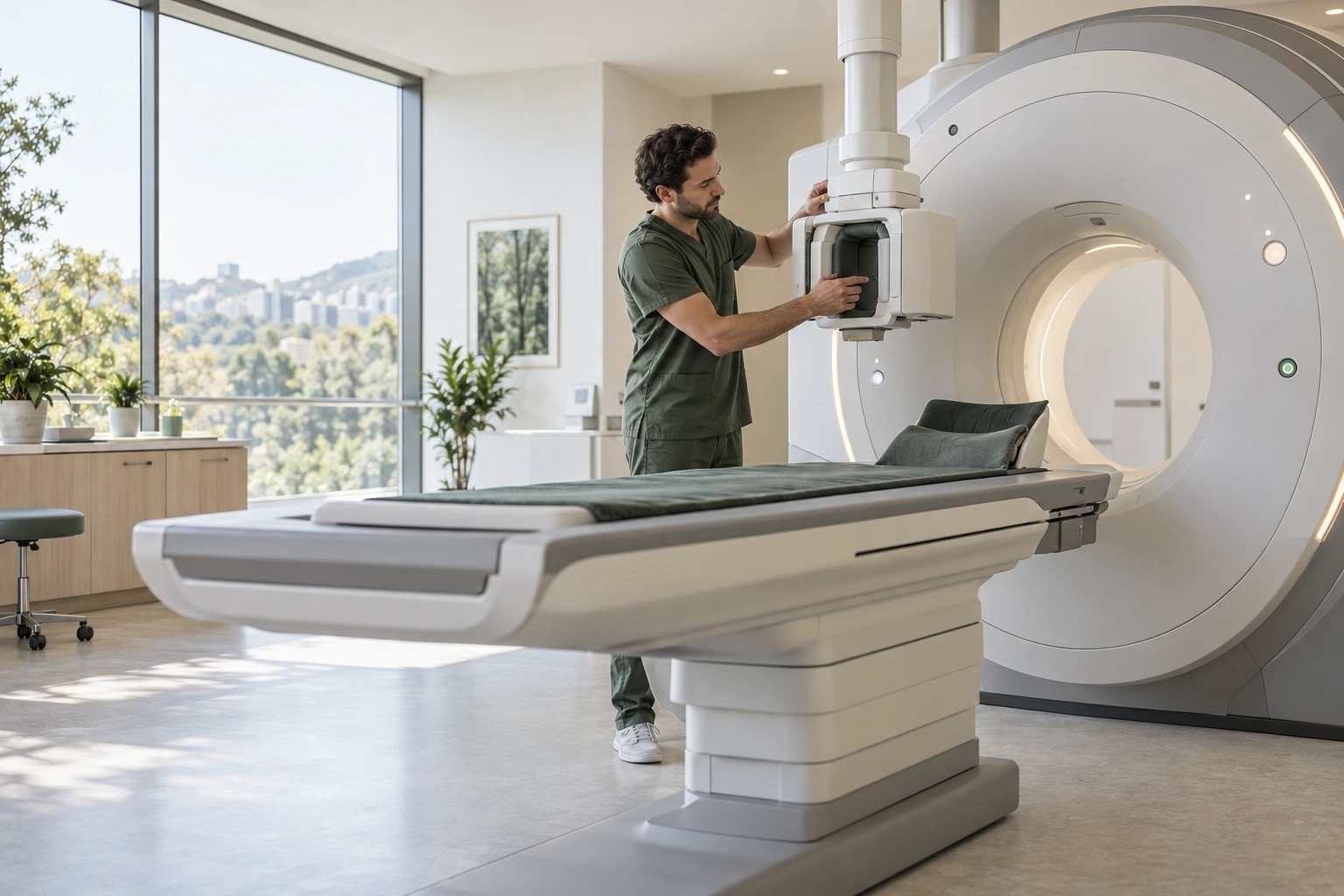
How a multi-step survey campaign reached busy hospital staff for a top medical device maker and uncovered critical service issues. Read the case study.
Learn more
60% Incremental Sales
See how a healthcare appointment setting campaign helped an HSA provider prove its inside sales model before hiring. Read the case study and plan your own.
Learn more
Astronomical ROI
A hospital consulting firm targeted 1750 hospitals and reported $520K annualized revenue. Read this healthcare lead generation case study and plan yours.
Learn more
Request a consultation
Reach the buyers behind device decisions
Tell us what you sell and which facilities you want to reach. We will outline how a medical device campaign would target them and what your representatives would receive.