

Logistics lead generation
Logistics lead generation that reaches the people who move the freight
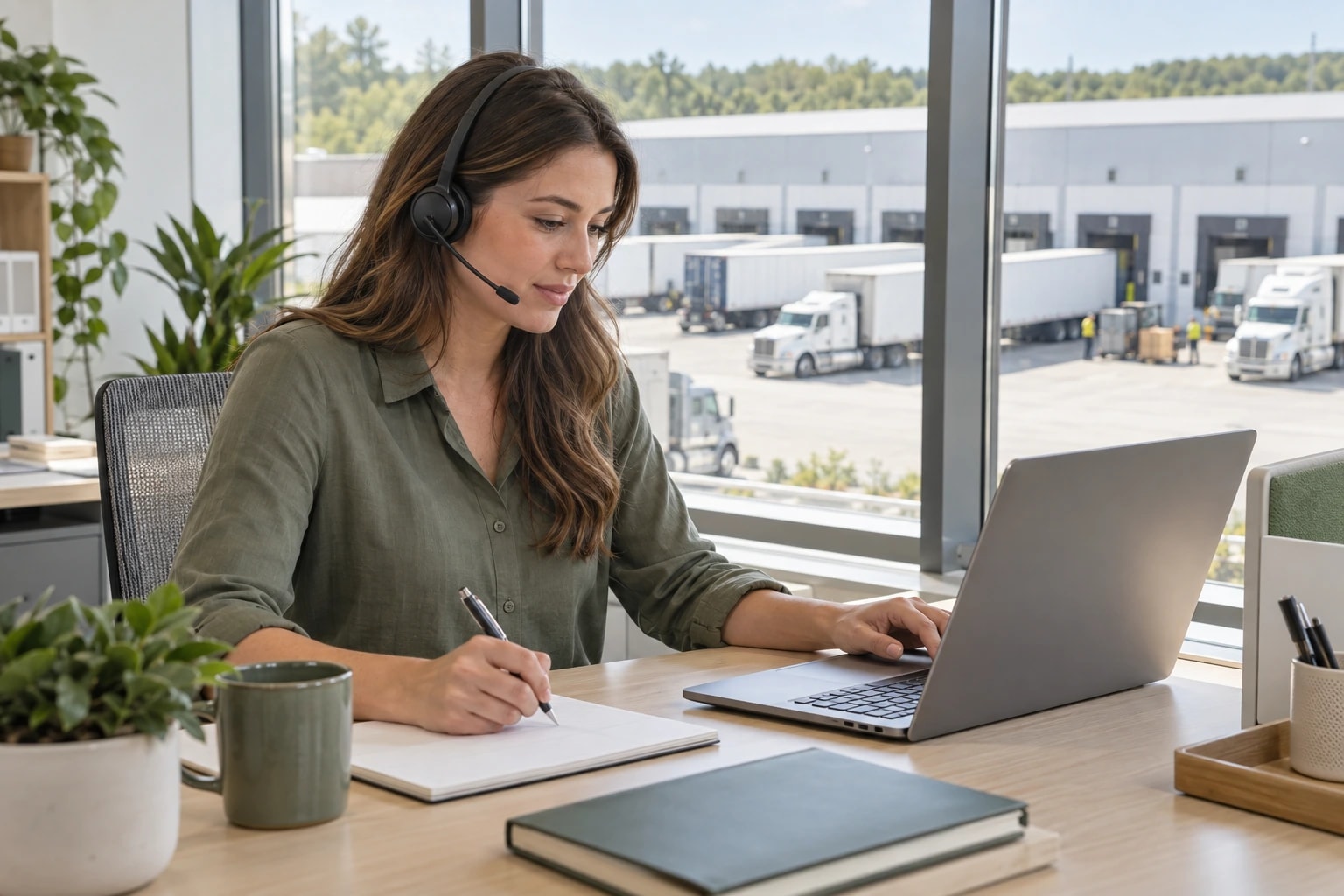
Shippers get a steady stream of calls from carriers, brokers and warehouses, and most of them sound the same. Our logistics lead generation starts with understanding your lanes, capacity and service model, then reaches logistics managers and supply chain directors with a reason to talk. We qualify fit and timing and book meetings with shippers who could actually use what you offer.
- Timed to buying cycles We track contract dates, RFPs and peak seasons so outreach lands when it counts.
- Built around your capacity Meetings match the lanes, volumes and services you can actually support.
- Phone-first outreach Live conversations with shippers, supported by email where it helps.

Who we reach
The logistics and supply chain buyers we call
Freight and warehousing decisions sit with different people depending on the size of the shipper. In a large manufacturer, a director of supply chain may own carrier strategy while a transportation manager handles day-to-day routing. In a growing ecommerce brand, the operations lead or even the founder may still choose the 3PL. We work out who holds the decision for your service before callers start.
- Supply chain and logistics directors responsible for carrier and 3PL strategy.
- Transportation and shipping managers who book freight and feel service failures first.
- Warehouse and distribution managers evaluating overflow, fulfilment or new locations.
- Procurement teams running freight RFPs and vendor reviews.
- Operations leads and owners at mid-sized shippers without a dedicated logistics team.
Knowing the right role changes the pitch. A transportation manager cares about on-time pickups and fewer escalations. A director cares about cost stability and visibility across the network. Callers adjust the conversation to the person on the line.
Industry focus sharpens this further. Shippers of food and beverage, building materials, chemicals or retail goods each bring their own handling, temperature, compliance and seasonal demands. If your network is strongest in particular verticals, we build the list around them and brief callers on the questions those shippers care about, so the conversation sounds informed from the first minute.
Where we fit
Logistics companies we help fill the pipeline

Third-party logistics (3PL)
Fulfilment and contract logistics providers looking for shippers whose volume and product profile fit their facilities.
Freight brokers
Brokerages building shipper relationships beyond one-off loads, often in specific lanes or modes.
Fleet and transport carriers
Asset-based carriers with dedicated, regional or specialised capacity to fill.
Warehousing and distribution
Public and contract warehouses seeking tenants, overflow customers or long-term storage agreements.
Each of these sells something slightly different, so each campaign is built differently. A freight broker may want quick conversations about current lanes and pain points. A contract warehouse may need to reach fewer, larger shippers with a longer conversation about volumes and requirements. We shape the target list and the message around the business you want to win.
Many logistics providers also serve manufacturers, so there is often overlap with our work for manufacturing companies.
How it works
How a logistics lead generation campaign runs
- 01
Understand your network
We learn your lanes, modes, facilities, capacity and the shippers you serve best, so outreach matches what you can deliver.
- 02
Set the qualification bar
Together we define shipper size, freight profile, geography and the timing signals that justify a meeting.
- 03
Build the shipper list
We prepare contact data for the right roles at target shippers and remove accounts you already work with.
- 04
Call, learn and book
Callers reach decision-makers, ask about current providers and pain points, and book meetings when there is a real fit.
- 05
Share market feedback
We report what shippers say about service gaps, pricing pressure and contract timing, so you can sharpen the offer.
The conversations themselves are useful market research. Shippers will often tell a caller what frustrates them about their current carrier or 3PL, which gives your sales team a head start and shows where your service stands out.

Timing
Reaching shippers around contracts, RFPs and capacity
In logistics, timing decides most deals. A shipper locked into a contract for another year may still take a meeting, but it will be an introduction, not an evaluation. A shipper whose RFP opens next quarter, or who just had a bad peak season, is a different conversation entirely. We ask about timing on every call and record it carefully.
- Contract and renewal dates with current carriers or 3PLs, where the prospect is willing to share them.
- Upcoming freight RFPs and who runs them.
- Seasonal peaks, new product launches or expansions that will change volume.
- Recent service problems that have the shipper open to alternatives now.
Timing works in your direction too. If a facility is filling up, we can slow outreach or shift focus to a different service. If a lane has spare capacity, we can concentrate calls on shippers who move freight on it. Prospects who aren’t ready yet stay on a follow-up schedule, and our customer reactivation services can bring former shippers back into the conversation.
Over the life of a campaign this builds into a calendar of opportunities: which shippers renew when, which RFPs are coming, and which accounts are worth a call after the next peak. Your sales team can plan around that view instead of reacting to whatever came in this week.

The handoff
What your sales team receives with each meeting
Logistics salespeople need specifics to run a good first meeting. Each booked appointment comes with the operational detail the caller gathered, so your team can prepare a relevant conversation rather than a generic capabilities pitch.
- Contact name, role and company, with the best way to reach them.
- Freight profile: modes, typical volumes and key lanes, as described by the prospect.
- Current providers mentioned and what the shipper likes or dislikes about them.
- Contract, RFP or peak-season timing gathered on the call.
- The agreed meeting time and what the prospect wants to cover.
Alongside each handoff you get regular updates on the campaign as a whole. For outreach beyond meetings, such as surveying shippers or updating account data, see our B2B telemarketing service, and read how a focused campaign helped a food products company beat larger competitors.
Do you work with freight brokers as well as 3PLs?
Yes. We work with brokers, 3PLs, asset-based carriers and warehouses. Each campaign is built around the services you offer and the shippers you want, so a broker campaign looks quite different from a contract warehousing one.
Can you target shippers in specific lanes or regions?
Yes. We can build lists around geography, industry and freight profile, and callers confirm lanes and volumes on the call so meetings match the capacity you actually have.
What happens if a shipper is under contract?
We note the contract timing if they share it and schedule follow-up ahead of the renewal. If they are open to an introduction now, we can book that too, clearly flagged so your team knows it is an early conversation.
Who do your callers ask for at a shipper?
It depends on the shipper’s size and your service. Common contacts are logistics or supply chain directors, transportation managers, warehouse managers and, at smaller companies, operations leads or owners.
Can outreach support a freight RFP season?
Yes. Callers can find out when RFPs open, who manages them and how to get invited, so your team can prepare before the process starts rather than hearing about it afterward.
Do you promise a set number of meetings?
We don’t promise numbers before we understand your market. We agree on what a qualified meeting is, run the campaign, and share honest progress and feedback so you can judge the results yourself.
Keep exploring
Related services and results
See how the pieces fit together, or talk to us about the campaign you have in mind.

B2B Telemarketing
B2B telemarketing services for lead generation, follow-up, account profiling and more, run by experienced callers who represent you well. Get a consultation.
Learn more
Customer Reactivation
Customer reactivation services that call lapsed B2B customers, learn why they stopped buying and book win-back meetings. Ask how we can restart the talk.
Learn more
Beating the Big Guys
One of the largest private U.S. companies tested us against its big incumbent vendor. See how we won with better appointments, then plan your own test.
Learn more
Request a consultation
Talk to more shippers who need your capacity
Share your lanes, services and ideal shipper. We’ll outline how a logistics campaign would find them and book the meetings.